Future Trends you must know about the commercial vehicle market
 Add CMV360 on Google
Commercial vehicles are likely to be a key component in bringing in the era of future mobility.

By Priya Singh
Commercial vehicles are likely to be a key component in bringing in the era of future mobility.
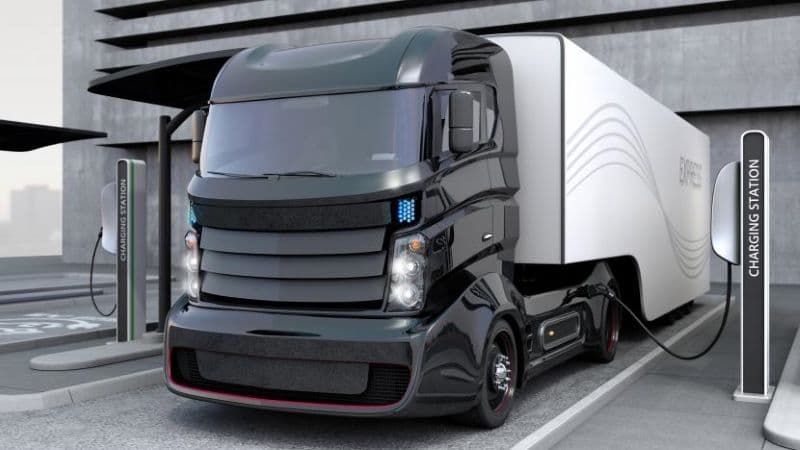
The Commercial Vehicle Market is divided into various categories such as Vehicle Type (Light duty trucks and Medium- and Heavy-duty trucks), Propulsion Type (IC Engine and Electric Vehicle), Application Type (Freight and Logistics, Industrial, and Other Applications), and Geography (North America, Europe, Asia-Pacific, and Rest of the World).
Because it represents a far smaller number of assets than the passenger car market, the commercial vehicle market has always played a "secondary role" to its larger market cousin which is the passenger vehicle market, frequently borrowing solutions and technology developed for that market. As a result, the market has become an unexplored, underserved, and underutilized market in India.
Every commercial vehicle manufacturer and the majority of suppliers have their proprietary telematics offering. Furthermore, there is a diverse range of aftermarket telematics solutions and third-party software vendors providing data management apps and platforms.
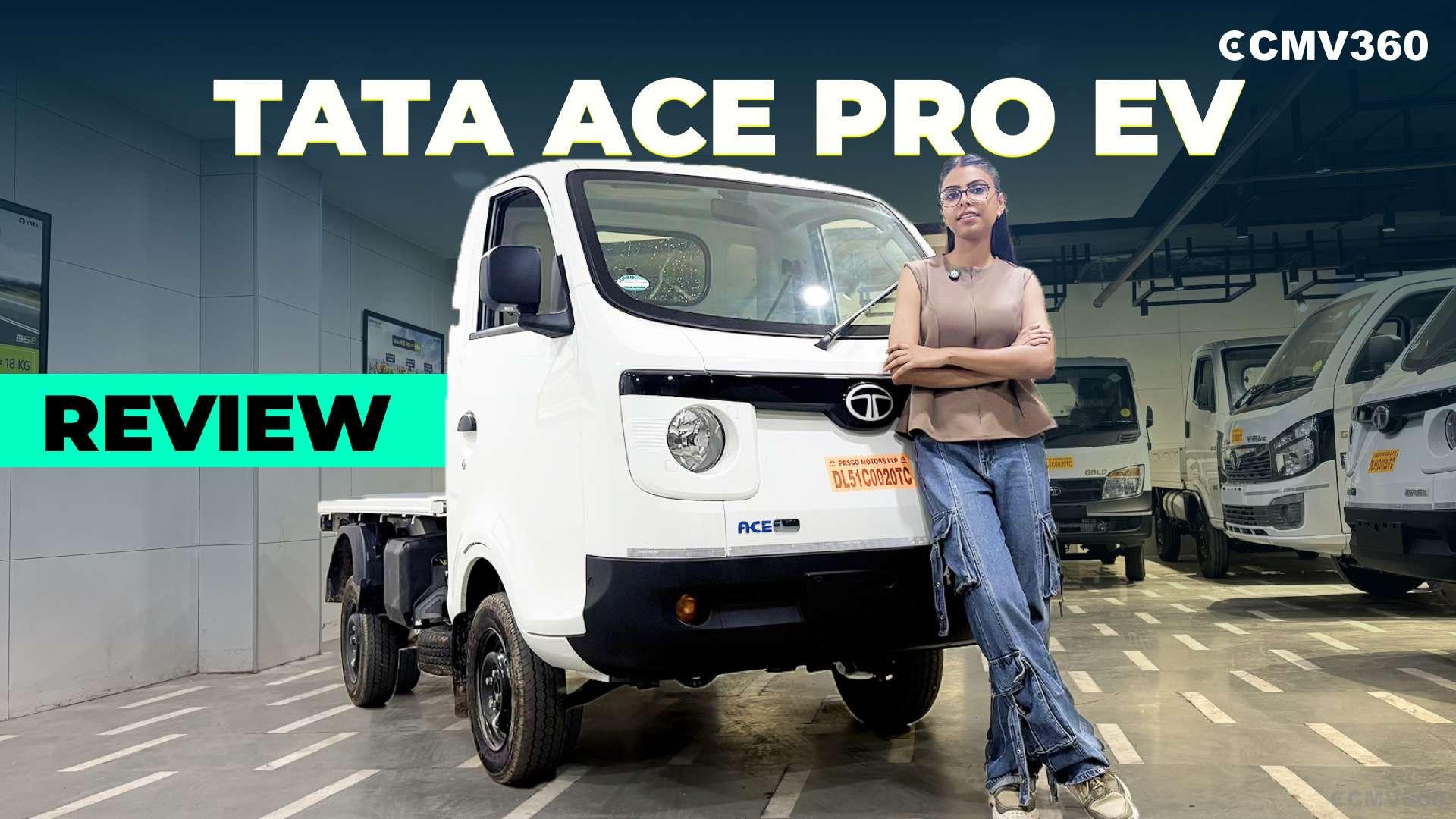
Going green is unquestionably a hot topic in the global auto industry. Global automakers are working hard to reduce carbon emissions, and as a result, more eco-friendly vehicles are being developed daily like tata ace, eActros, and many more. This trend is quickly spreading to the commercial vehicle industry. This is because they always travel longer distances than private vehicles and adhere to predetermined routes, necessitating the use of hydrogen trucks. As a result, commercial vehicles will most likely change shortly to use eco-friendly power sources.
So, here are 4 factors you must know about the commercial vehicle market to invest or start a new business in this industry
Demand
The demand for Commercial vehicles will remain high. If a recession occurs and has a significant impact on commercial vehicle demand but it will not be until next year.
Automation
The future of automation in commercial vehicles appears hazy. While driver and vehicle safety can and should be improved with a variety of assistance features, the goal of completely replacing drivers threatens millions of jobs and is unpredictable in many economies.
Given the complexity involved in achieving full autonomy in all conditions and situations, as well as the political headwind created by replacing millions of jobs, it appears that full autonomy for commercial vehicles will be limited to very specific, high-value use cases only.
Efficiency
With a push toward electrification and strict emission standards, overall vehicle efficiency will become a significant trend over the next five years. The efficiency of the truck depends upon the following factors-
• Driving habits
• Efficiency of the powertrain
• Vehicle effectiveness
• Optimization of routes/routing
Driver behaviour is frequently one of the most important determinants of a fleet's fuel efficiency.
Electrification
The increased freight, logistics, and construction activities around the world increased the demand for electric vehicles. Other factors such as strict emissions regulations, alternative fuels, driver shortages, autonomous vehicles, and last-mile delivery are expected to drive the growth of electric trucks during the forecast period.
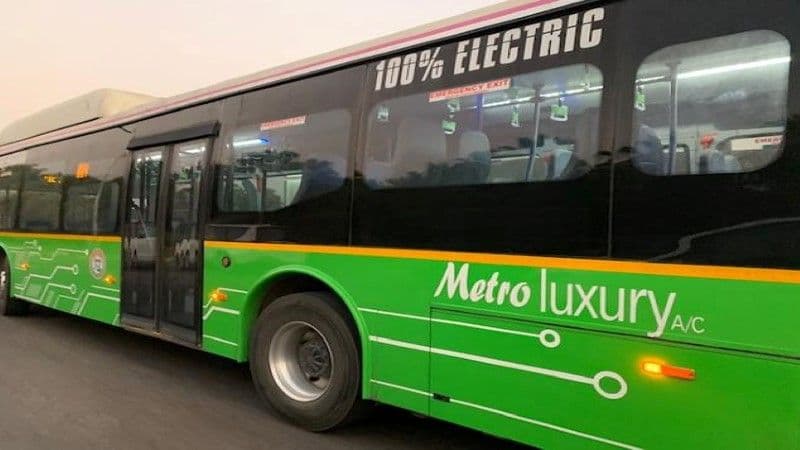
Because green transportation is rapidly expanding around the world, goods transportation companies like tata, are also converting their existing fleet to electric propulsion-based vehicles. Commercial Vehicle manufacturers intend to introduce more electric trucks as the demand for them grows.
The commercial electric vehicle market is expected to grow significantly in the coming years, driven by logistics and developments in the construction and e-commerce industries, with good opportunities opening up in the infrastructure and logistics sectors. Electric vans are expected to capture a significant market share in the future.
The commercial vehicle in 2030
Many measures will be required of commercial vehicles in 2030 to meet the ambitious EC target of reducing CO2 emissions by 60%. It will be extremely difficult to meet these targets if we stick to "business as usual" and do not make fundamental improvements, particularly in powertrain and fuel technologies.
Commercial vehicles are likely to be a key component in bringing in the era of future mobility. It would be especially fascinating to focus on innovative commercial vehicles, as new technologies are developed daily. Future commercial vehicles are rapidly evolving as a result of sophisticated and precise plans. Commercial vehicles powered by environmentally friendly energy sources and advanced technologies will be the next generation of mobility.
The vehicle that can meet these goals will be highly modular and interoperable. It will have to rely primarily on renewable energy sources and will require greater weight and dimension flexibility. It should be completely connected and self-sufficient, with extensive use of intelligent transportation systems.
CMV360 always keeps you up to date on the latest government schemes, sales reports, and other relevant news. So, if you're looking for a platform where you can get relevant information about commercial vehicles, this is the place to be. Stay tuned for new updates.

Hi there! I'm Priya. From trucks to vans and everything in between, I'm here to provide you with up-to-date in .....