Tractors
Trucks
- Find by Budget
- Find by Type
Buses
- Find by Budget
- Find by Type

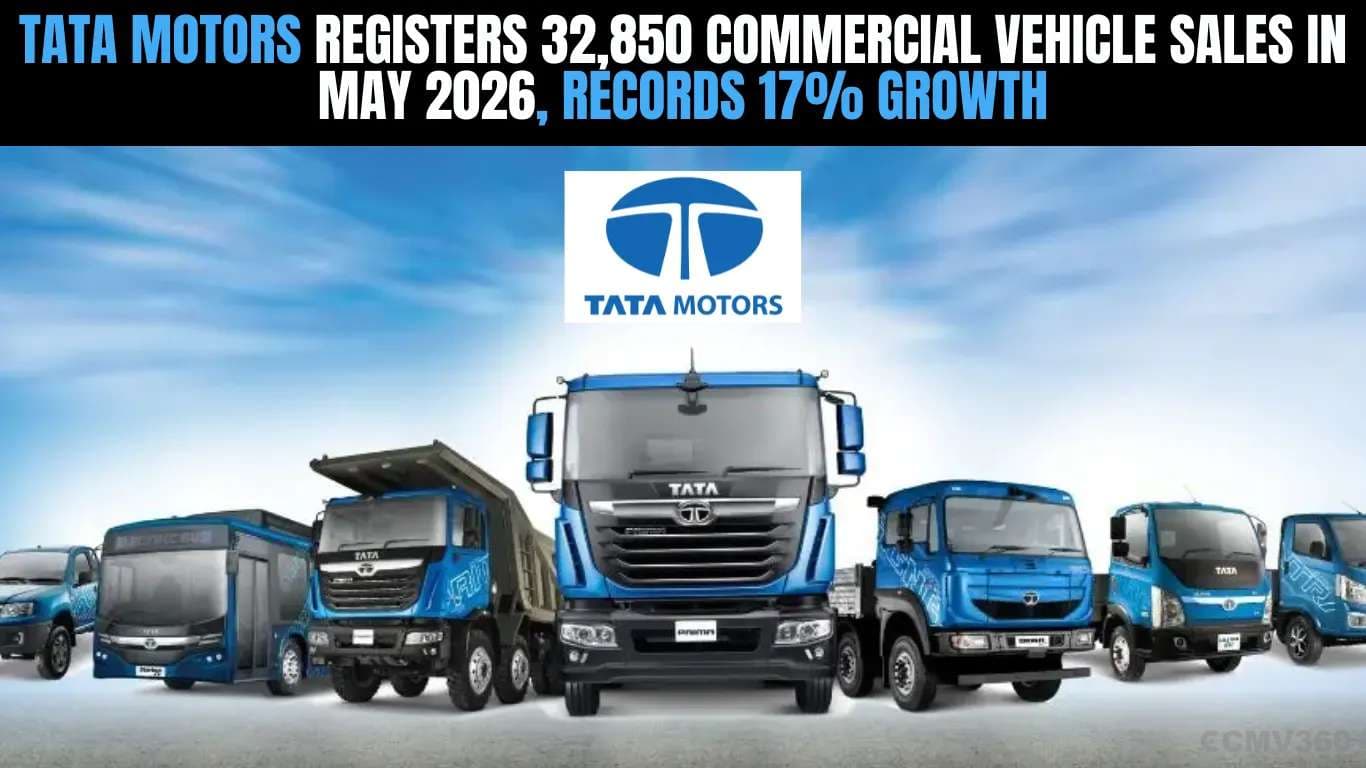
Tata Motors stated that the ongoing demerger of its CV and PV businesses is part of a well-planned strategy.

By Priya Singh
Key Highlights:
Tata Motors Limited (TML) officially responded to dismiss rumors that it plans to set up a new holding company for its Commercial Vehicles (CV) and Passenger Vehicles (PV) businesses.
A report by The Economic Times mentioned rumors that Tata Motors might place its CV and PV units under a new holding company. TML clarified that this report was inaccurate, explaining that such claims could potentially mislead investors and stakeholders.
Tata Motors' Actual Plans for the Demerger
Tata Motors stated that the ongoing demerger of its CV and PV businesses is part of a well-planned strategy, but it does not include the formation of any new holding company. Instead, the demerger is designed to create separate and focused entities, allowing each business segment to operate independently within its respective market.
Separating the CV and PV divisions aligns with Tata Motors' strategy to improve operational efficiency, drive growth, and boost shareholder value. The company emphasized that this restructuring will help both segments address industry-specific challenges more effectively.
Why the Demerger Matters
In the automotive world, a demerger generally means dividing a large company into smaller, independent units. This approach often allows each division to focus more sharply on its objectives, respond faster to market changes, and access new business opportunities. For Tata Motors, the separation will likely empower both the CV and PV segments to capitalize on their strengths and adjust to their respective markets with greater flexibility.
Given the rapid evolution in the automotive industry, with trends such as electric vehicle (EV) adoption and increased sustainability efforts, Tata Motors believes the demerger will help each segment thrive in these changing conditions. By allowing both the CV and PV units to operate with distinct strategies, Tata Motors aims to position itself for long-term success in an increasingly competitive market.
What's Next for Tata Motors
The next step in this strategic plan for Tata Motors is to secure approval from the National Company Law Tribunal (NCLT) for the demerger. Upon approval, shareholders will receive shares in two separate companies: one focused on commercial vehicles and the other on passenger vehicles. This move is expected to open new avenues for growth in both divisions, ultimately adding value for investors.
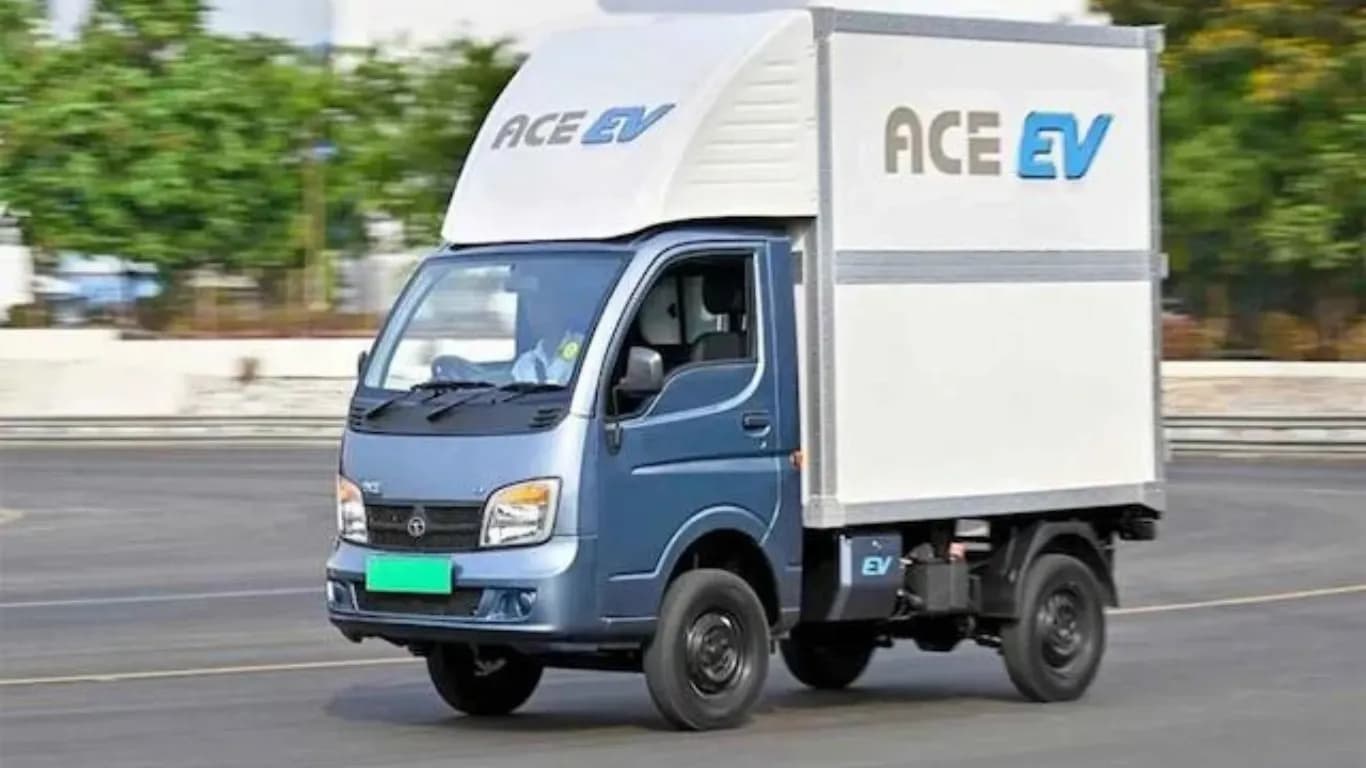
Also Read: Tata Motors Reports 17% Increase in ACE EV Sales
CMV360 Says
Tata Motors’ choice to separate its commercial and passenger vehicle businesses shows smart planning for the future. This move lets each division focus on its own growth, respond to trends like electric vehicles, and pursue specific goals. In the long run, it can help Tata Motors and its shareholders by allowing each segment to operate more efficiently and competitively.




 Add CMV360 on Google