How to Choose the Right Fuel Type for Your Commercial Vehicle
 Add CMV360 on Google
This article will guide you through the key factors to consider when selecting the right fuel type for your commercial vehicle.

By Priya Singh
In this article, we will discuss How to Choose the Right Fuel Type for Your Commercial Vehicle.
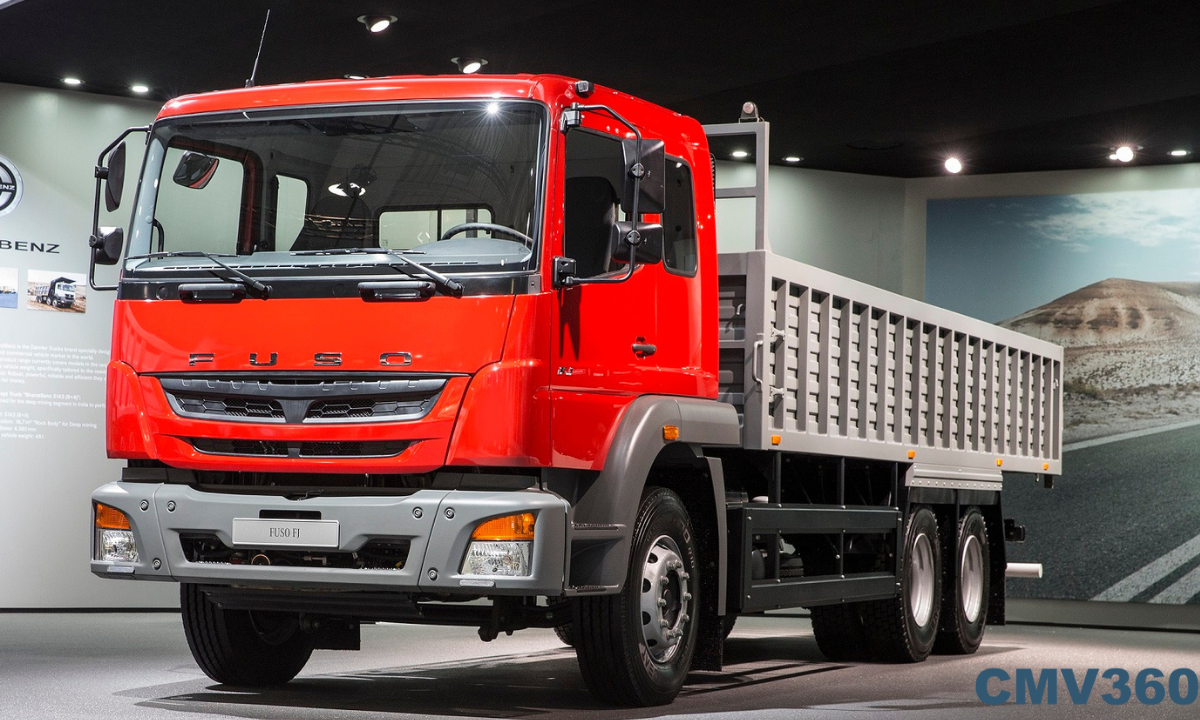
Selecting the appropriate fuel type for your commercial vehicle is a critical decision that can have a significant impact on your business's and vehicle's operational efficiency. With the growing variety of fuel options, it's important to carefully consider your specific needs, budget, and environmental concerns before making a choice. This article will guide you through the key factors to consider when selecting the right fuel type for your commercial vehicle.
How to Choose the Right Fuel Type for Your Commercial Vehicle
1. Fuel Efficiency and Performance The first consideration when choosing a fuel type is its efficiency and performance. Different fuel types offer different levels of energy density, combustion efficiency, and power output. Diesel, for instance, is known for its high energy density and torque, making it an excellent choice for heavy-duty vehicles that require substantial pulling power.
On the other hand, gasoline tends to offer better acceleration and performance in lighter vehicles. Hybrid and electric options are becoming popular due to their fuel efficiency and reduced emissions.
2. Vehicle Type and Usage
The nature of your commercial vehicle's usage is a crucial factor in determining the right fuel type. Are you operating short-haul delivery trucks, long-haul transport, or shuttle services? For long distances, diesel might be preferable due to its fuel efficiency. Electric vehicles (EVs) are better suited for urban routes with frequent stops, where regenerative braking can help to recharge the battery.
Also Read: How to Choose the Right Suspension for Your Commercial Vehicle
3. Cost Considerations
The cost of fuel plays a significant role in your decision-making process. Diesel often offers better fuel economy than gasoline, making it an economical choice for high-mileage operations. However, diesel fuel can also be subject to price fluctuations.
Propane and natural gas can provide cost savings, especially if they are abundant in your region. Electric vehicles have higher upfront costs but lower operating and maintenance expenses over time.
4. Environmental Impact
The environmental impact of your fuel choice is also important in today's eco-conscious world. Diesel engines emit more greenhouse gases and particulate matter than gasoline or alternative fuels. Propane, natural gas, and electric vehicles produce fewer emissions, making them attractive options for businesses aiming to reduce their carbon footprint. Governments are also offering incentives and mandates to promote cleaner fuel alternatives.
5. Infrastructure Availability
Consider the availability of refuelling infrastructure for your chosen fuel type. Petrol and diesel refuelling stations are more, but if you're considering hydrogen, CNG, or electricity, you'll need to ensure that there are accessible and reliable refuelling or charging points along your routes.
6. Maintenance and Longevity
Different fuel types can impact the maintenance requirements and longevity of your commercial vehicles. Diesel engines are known for their durability and long lifespan, while petrol engines might require more frequent maintenance. Electric vehicles generally have fewer moving parts, leading to lower maintenance needs, but the battery's health and replacement costs should be factored in.
7. Regulatory Considerations
Fuel regulations can vary by region and country. Some areas impose stricter emissions standards on diesel vehicles due to their higher emissions. Electric and alternative fuel vehicles often receive regulatory incentives, tax breaks, or exemptions. Keeping an eye on regulatory changes will help you avoid issues in future.
8. Future-Proofing Your Fleet
As the automotive industry continues to evolve, so do fuel technologies. When choosing a fuel type, it's wise to consider the long-term outlook. Electric and hydrogen fuel cell technologies are advancing rapidly, and investing in them might future-proof your fleet against potential fuel scarcity or regulatory changes.
9. Resale Value
Resale value should also be taken into account. Diesel-powered vehicles may have a stronger resale market in certain regions due to their reputation for longevity and reliability. However, if there's a shift towards cleaner fuels, resale values could change.
Also Read: 10 Ways to Reduce Maintenance Costs for Your Commercial Vehicles
Conclusion
In conclusion, selecting the right fuel type for your commercial vehicle involves a careful analysis of factors such as fuel efficiency, vehicle type, cost considerations, environmental impact, infrastructure availability, maintenance needs, regulatory compliance, and future-proofing.
It's not a decision to be taken lightly, as it can have far-reaching consequences for your business's performance, expenses, and environmental responsibility. By considering all these aspects and staying informed about emerging technologies and regulations, you can make a right choice that aligns with your business goals and values.

Hi there! I'm Priya. From trucks to vans and everything in between, I'm here to provide you with up-to-date in .....